
Mental Health in the Trades: Let’s Talk About It
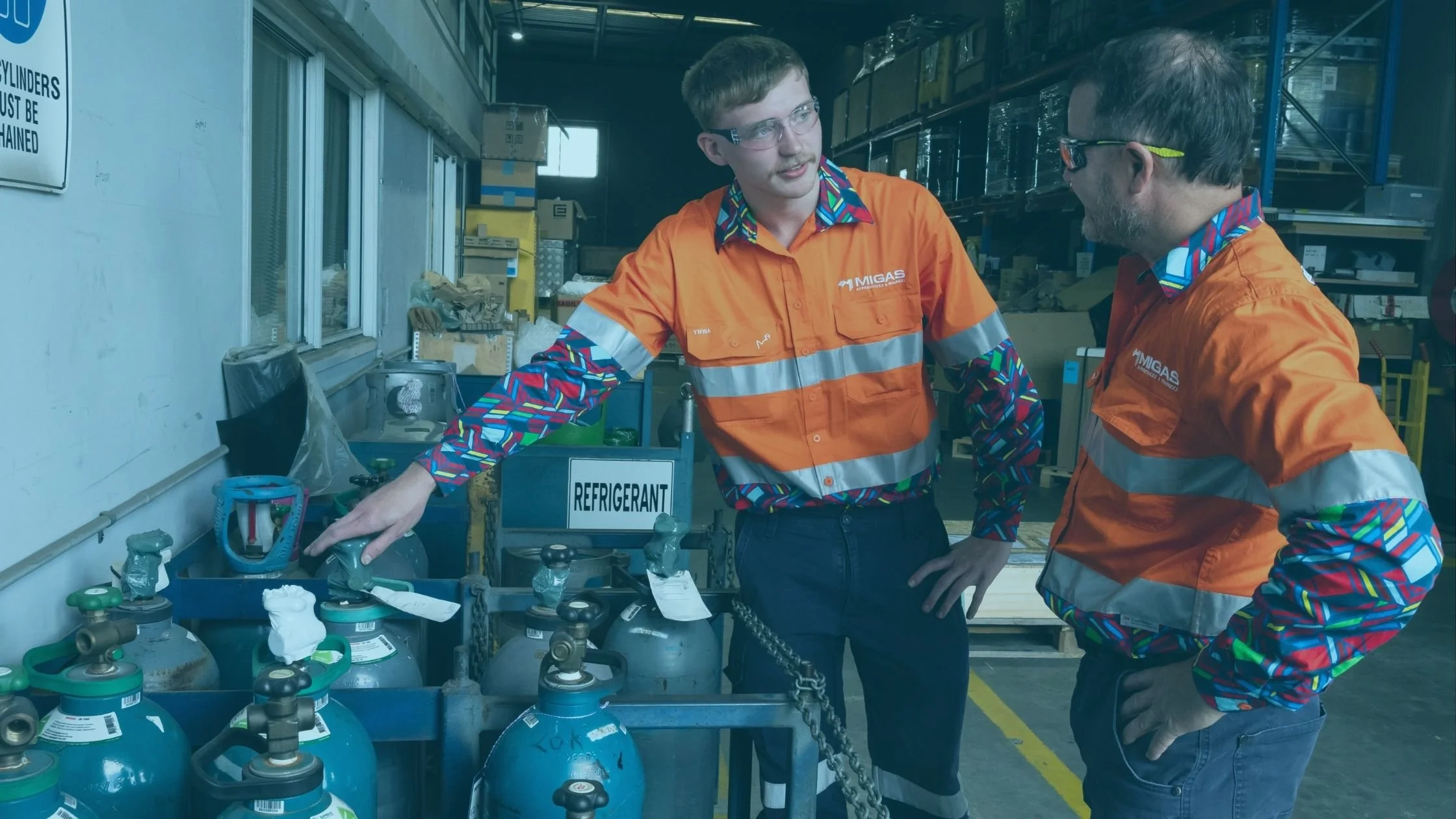
In the trades, we talk about everything - except how we're really going.
Working in the trades takes grit. Early starts, physical demands, working outdoors in all conditions, tight deadlines, and the pressure of getting the job done right it adds up. And that's before you factor in the unique challenges of being an apprentice: navigating a new workplace, learning on the job, managing block release study, and finding your feet in an industry that expects a lot, often at a pivotal life stage.
For too long, mental health has been a topic that doesn’t get much airtime in trade environments. The culture of toughing it out, not complaining, and just getting on with it runs deep. And while resilience is genuinely valuable, silence around mental health isn’t the same thing as strength.
The good news? That’s starting to change. More businesses, more industry organisations, and more tradespeople are starting to have real conversations about mental health, and recognising that looking after yourself and your team is just as important as any other part of the job.
The Reality of Mental Health in the Trades
Mental health challenges don’t discriminate by industry, age, or experience level. But there are aspects of trade work that can create specific pressures worth acknowledging.
For apprentices in particular, the first few years in the workforce can be a significant adjustment. You’re constantly learning, and you’re often the newest and least experienced person on site. Add in the social adjustment of moving from school to a full-time workplace, and it’s understandable that some people find it harder than they expected.
For experienced tradespeople and employers, the pressures look different, but they’re just as real. Running a business, managing a team, dealing with difficult clients, and carrying the weight of responsibility for a worksite can take a toll over time.
None of this means the trades are a bad place to build a career, far from it. But it does mean that mental health deserves a seat at the table, alongside safety, skills, and professional development.
What Good Mental Health Support Looks Like on a Worksite
You don’t need a formal program or a big budget to create a workplace where mental health is taken seriously. Some of the most effective things are also the simplest.
Genuine check-ins
A quick 'how are you going?' at the start of the day is well-intentioned, but in a world where that question has become a social reflex, it doesn't always land.
The most effective check-ins are specific. Comment on something you've actually noticed. 'You've seemed a bit quiet this week, how are you going?' is a very different question. It tells the other person you've been paying attention, and that tends to open doors that a generic greeting won't.
Create space for real conversations
Culture is set from the top. When leaders, supervisors, and experienced tradespeople are open about stress, hard days, and the importance of looking after yourself, it gives everyone else permission to do the same.
In practice, that might look like mentioning a tough week in passing, acknowledging when a job has been particularly demanding, or simply sharing that you've used a support service yourself. These don't need to be big moments. Small, genuine references in everyday conversation go a long way toward making it easier for someone who is struggling to speak up before things get too hard.
Know your resources
Make sure everyone on your team, including apprentices, knows where to turn for support. That means having resources visible and accessible, not buried in a folder somewhere.
Services like TIACS offer free, confidential mental health support specifically for tradies and blue-collar workers, which makes them a particularly relevant resource for trade workplaces.
Respect boundaries around time and workload
Burnout doesn’t happen overnight. It builds gradually, often in workplaces where overwork is normalised or where people feel they can’t say no.
Being mindful of workload, especially for apprentices who are also managing study commitments, goes a long way toward preventing the kind of exhaustion that can tip into something more serious.
For Apprentices: You Don’t Have to Tough it Out Alone
If you’re an apprentice reading this and you’re finding things harder than you expected, that’s okay. It doesn’t mean you’ve made the wrong choice, or that you’re not cut out for the trades. It means you’re human.
The adjustment to full-time trade work is real, and it takes time. Give yourself some grace, especially in the first year.
If you’re struggling, talk to someone. That might be a supervisor or mentor you trust, a mate, a family member, or a professional. There’s no version of toughing it out alone that makes things better in the long run, and reaching out is one of the strongest things you can do.
For Employers: Your Role Matters More Than You Think
As an employer, you have more influence over your apprentice's mental health than you might realise. Burnout doesn't happen overnight. It builds gradually when the demands of the job consistently outweigh the opportunity to recover. That might mean too much pressure with too little recognition, isolation from the broader team, or a workload that never lets up.
You don't need to be a counsellor. You just need to pay attention, respond with care, and make it clear that your workplace is one where people matter, not just their output. A culture like that doesn't just support mental health. It builds loyalty, reduces turnover, and creates a workplace where people genuinely want to show up.
If you want to go a step further than good intentions, formal training helps. MiTraining offers Mental Health First Aid® courses designed for exactly this kind of workplace, covering how to recognise the signs of a mental health issue and how to respond when it counts, whether that's a stressed apprentice going quiet or a long-serving tradie who's clearly not himself. Face-to-face, online and in-house corporate delivery are all available, so there's a format that fits around site schedules and block release rather than the other way round. Find out more about Mental Health First Aid training.
The Conversation is Just Getting Started
Mental health in the trades deserves ongoing attention, not just a one-off blog post or a single conversation. The more we talk about it, the more we normalise it. And the more we normalise it, the easier it becomes for the people who are struggling to ask for help before things get too hard.
National Apprenticeship Week is built on the belief that apprentices and the people who support them deserve to be celebrated. Part of that celebration is making sure everyone in the trades community has what they need to thrive, not just professionally, but personally too.
That starts with a conversation. So let’s keep having it.
If you or someone you know is struggling, TIACS offers free mental health support for tradies and blue-collar workers.
National Apprenticeship Week Australia celebrates apprentices, trainees, and the employers who invest in them.